Bergwerk Niederberg Schacht 1 & 2
Explore Bergwerk Niederberg Schacht 1 and 2 in Neukirchen-Vluyn, a former anthracite mine whose historic buildings have sadly been heavily vandalized.
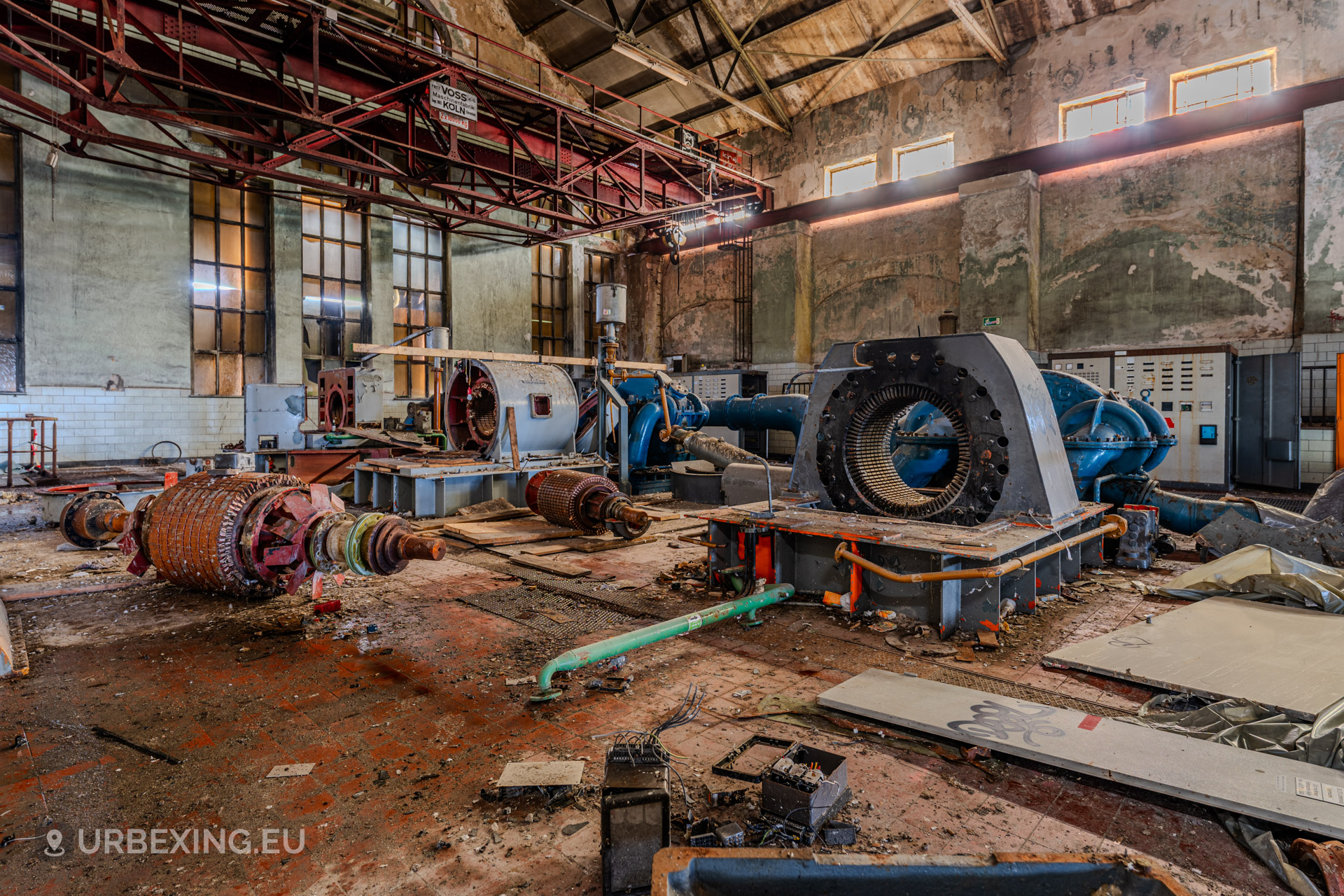
Once the industrial heart of Neukirchen-Vluyn, Bergwerk Niederberg employed thousands of miners and produced millions of tonnes of coal. Today, the surviving buildings of Schacht 1 and 2 stand silent; and unfortunately heavily vandalized.
History of Bergwerk Niederberg
The history of Bergwerk Niederberg began in 1911 with the establishment of the Niederrheinische Bergwerksgesellschaft. Work on the first two shafts started shortly afterwards on the Dickscheheide, an area situated between the villages of Neukirchen and Vluyn.
Construction was difficult and delayed by the outbreak of the First World War. Schacht 1 eventually began producing coal in 1917, bringing the first wagons of coal to the surface from a depth of approximately 430 metres. Schacht 2 followed several years later and entered service in 1921.
The arrival of the mine completely transformed the surrounding area. Workers and their families moved to newly constructed mining settlements, causing Neukirchen and Vluyn to grow rapidly. The mine effectively connected the two villages, which merged to form Neukirchen-Vluyn in 1928.
After the Second World War, Niederberg increasingly specialized in anthracite coal. This high-quality coal was mainly used for domestic heating, and in 1989 Niederberg was reportedly the largest anthracite mine in Europe. At its peak, the mine produced almost three million tonnes of coal annually and employed thousands of people.
Despite its scale and importance, the future of the mine became uncertain as German coal production declined. Bergwerk Niederberg finally closed in December 2001. Most of the industrial complex was demolished afterwards, although several historic buildings and the two distinctive headframes of Schacht 1 and 2 were preserved.
Exploring Schacht 1 & 2
From outside, the remaining structures still create an impressive industrial skyline. The two headframes rise above the surrounding redevelopment and serve as reminders of the mine that once shaped the entire town.
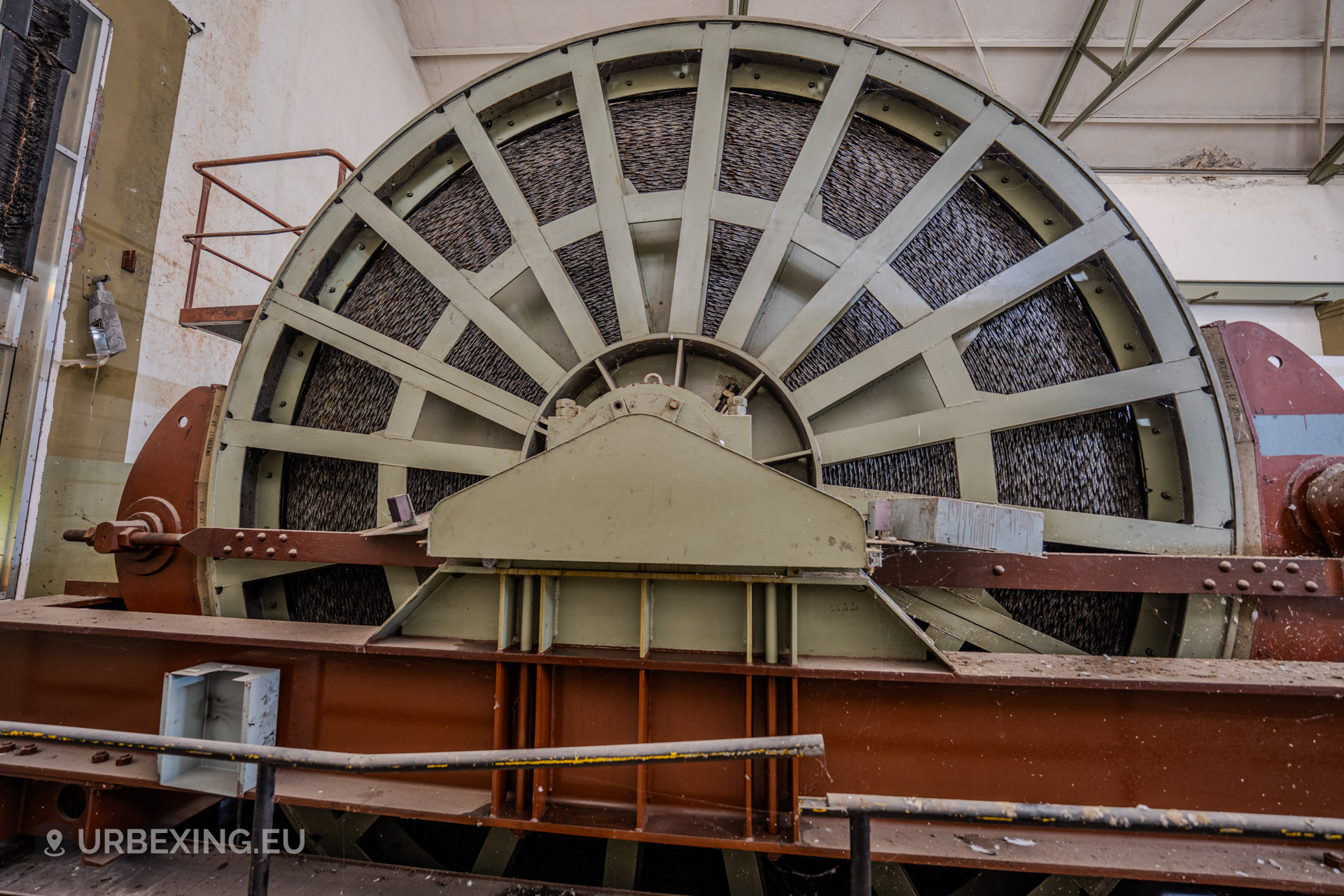
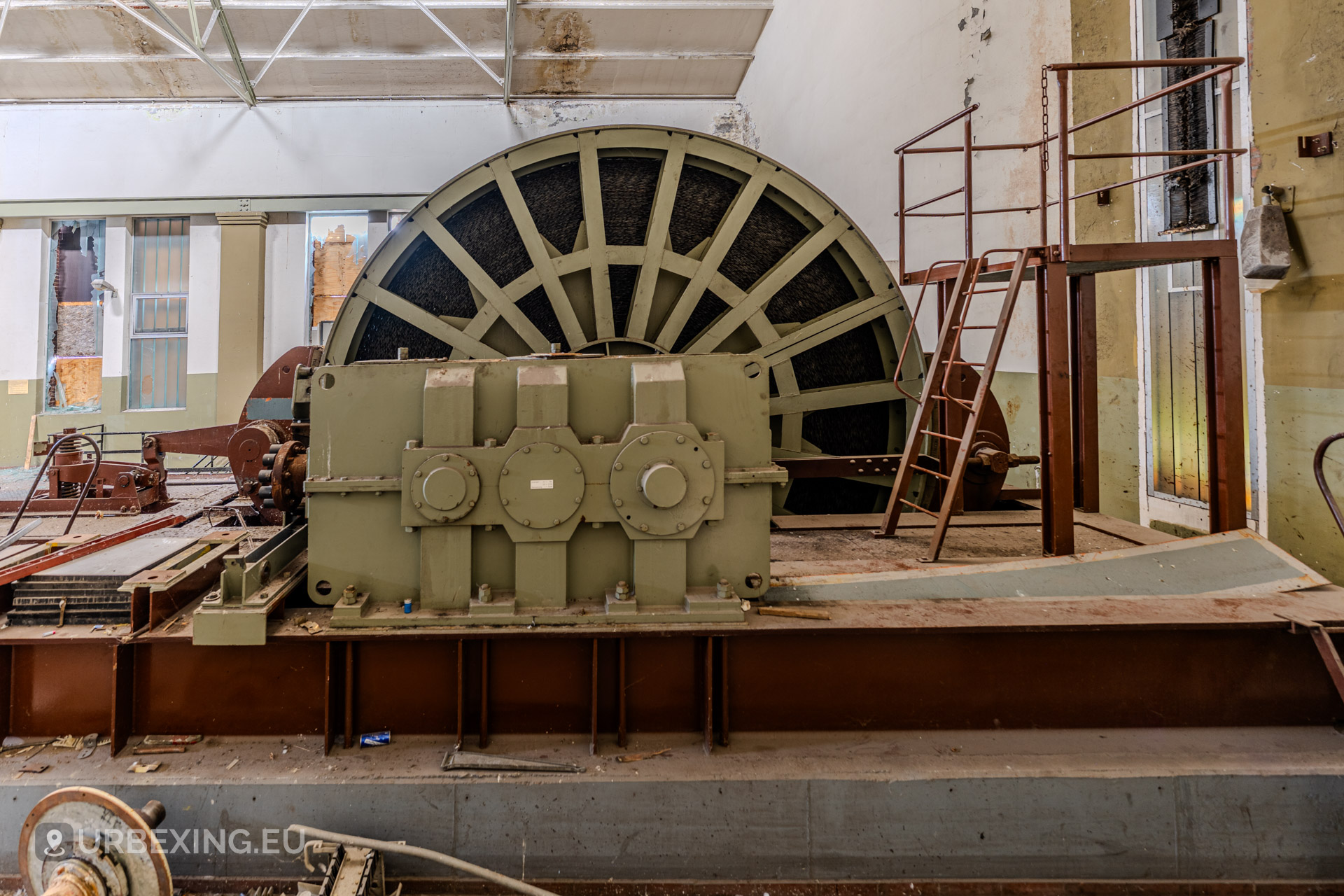
The difference between the two structures is immediately noticeable. Schacht 2 retains its traditional riveted steel headframe, while Schacht 1 has a much newer and heavier construction. Together with the surviving machine houses and central machinery building, they form the last recognizable part of what was once an enormous mining complex.
Unfortunately, stepping inside revealed a much sadder picture.
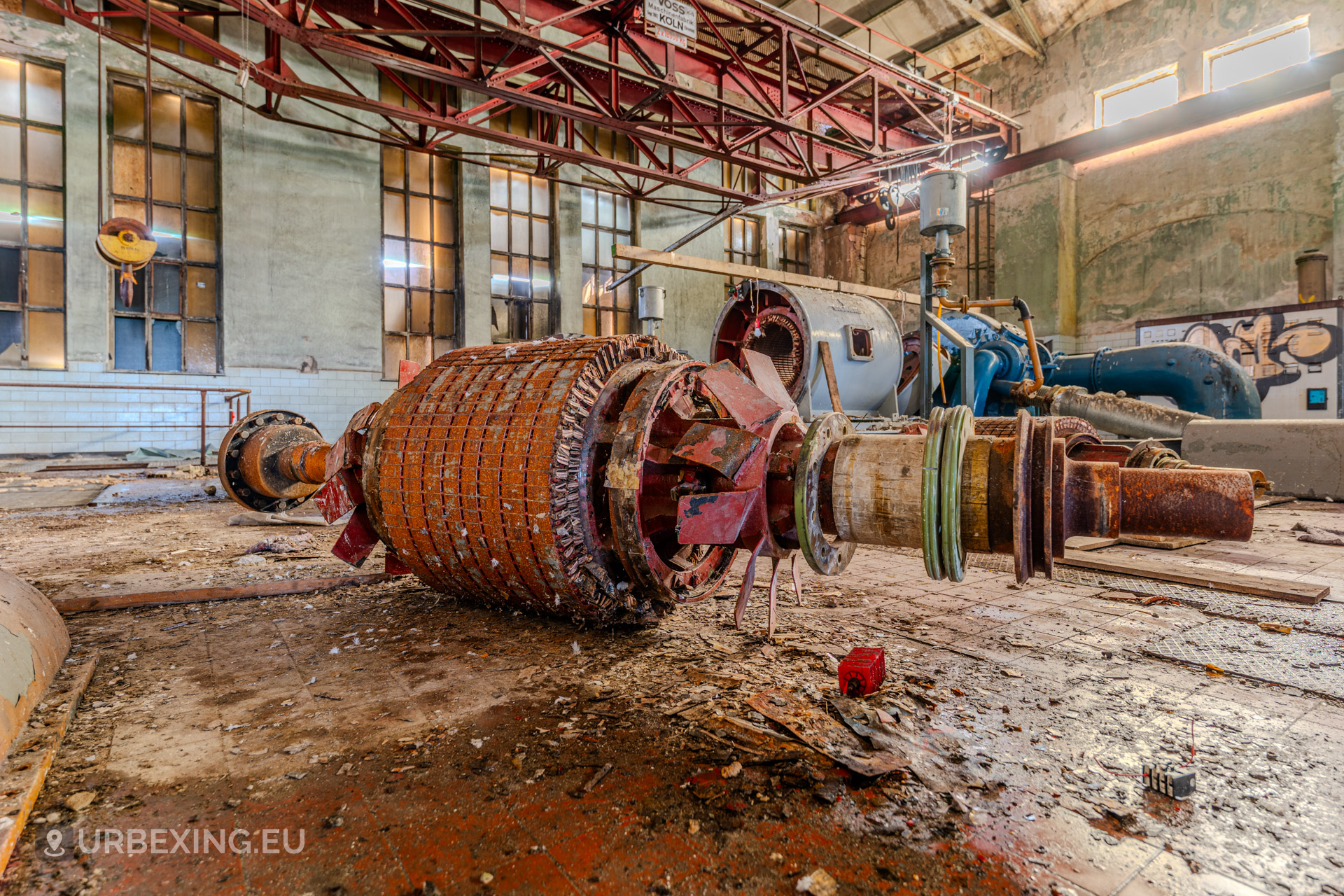
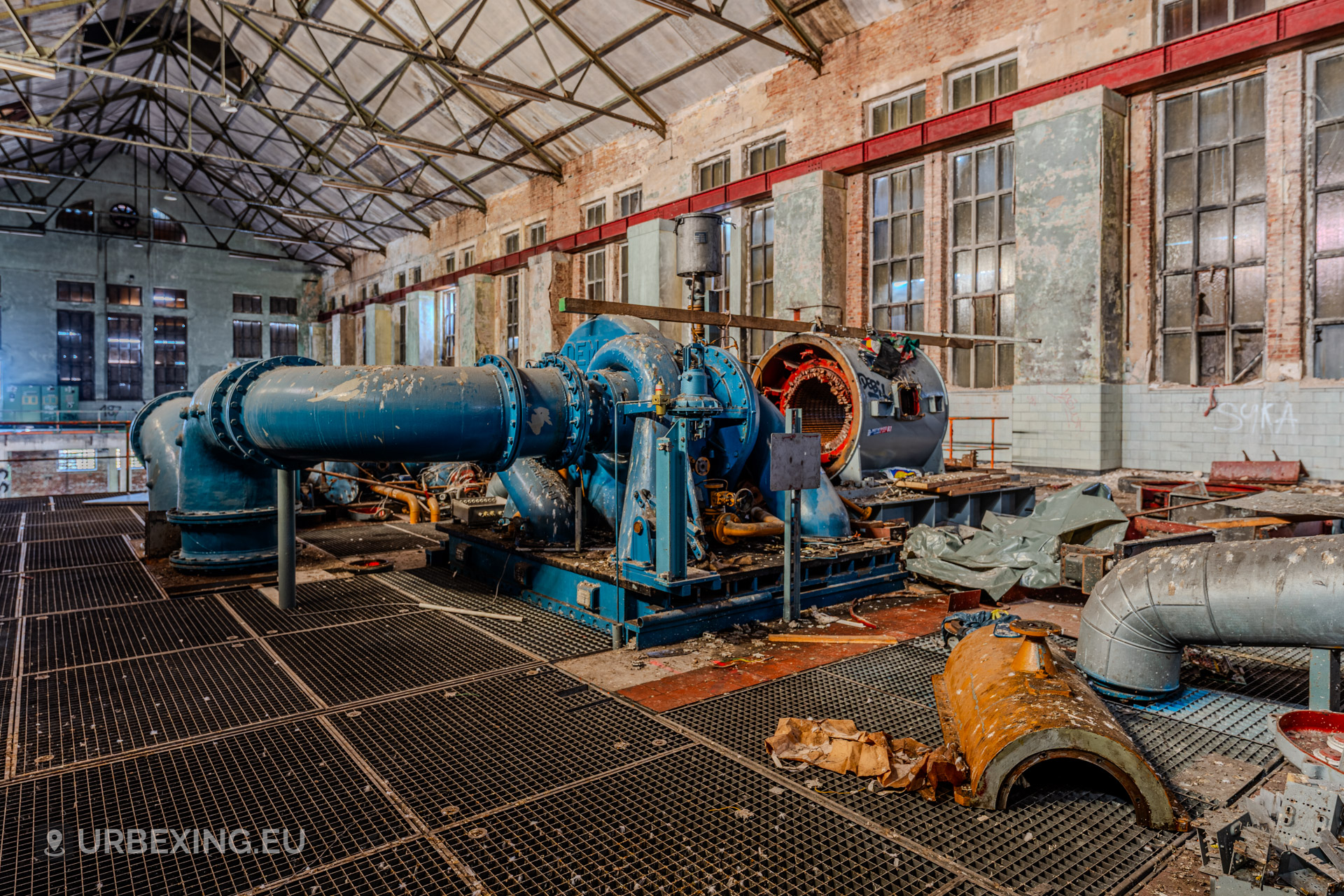
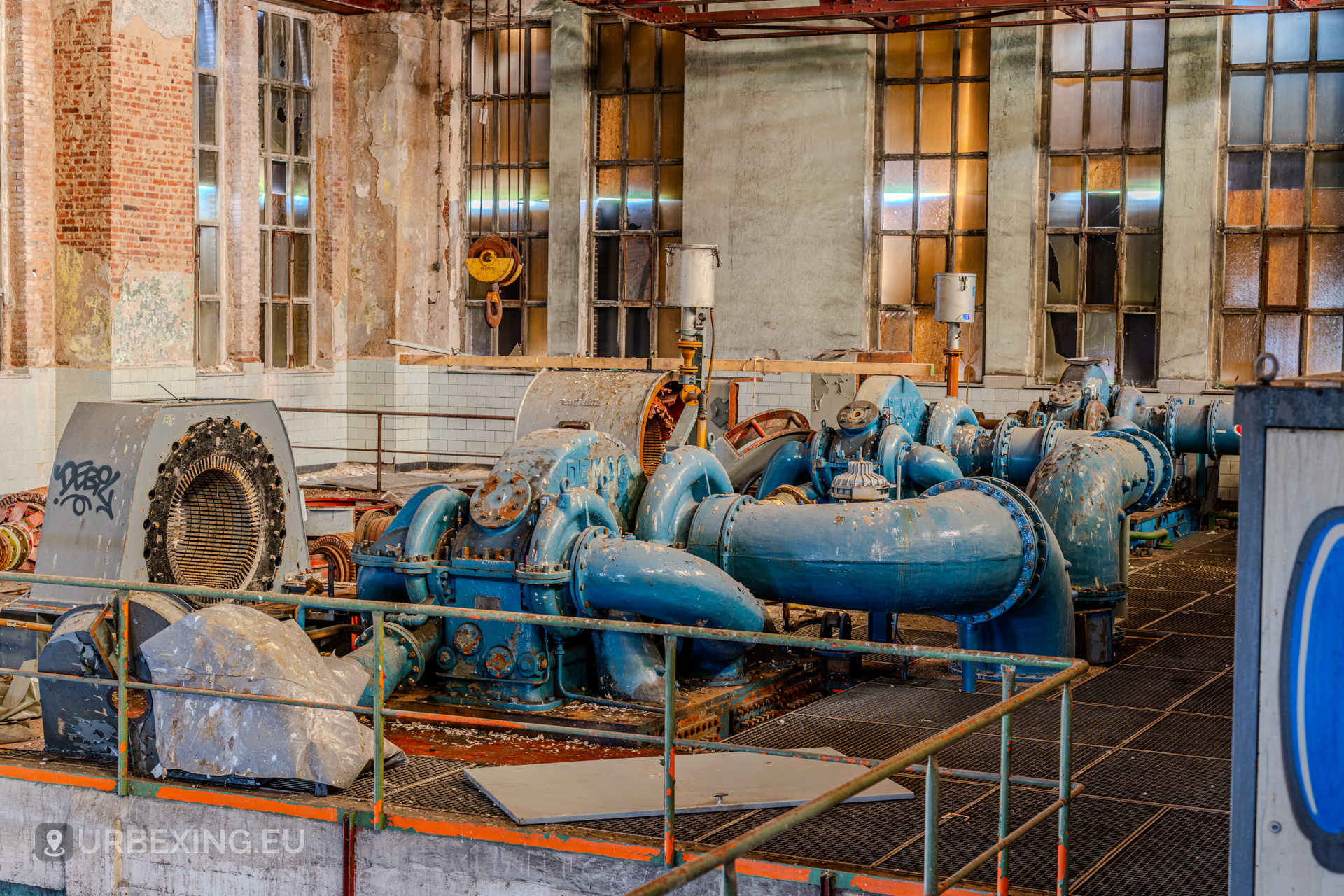
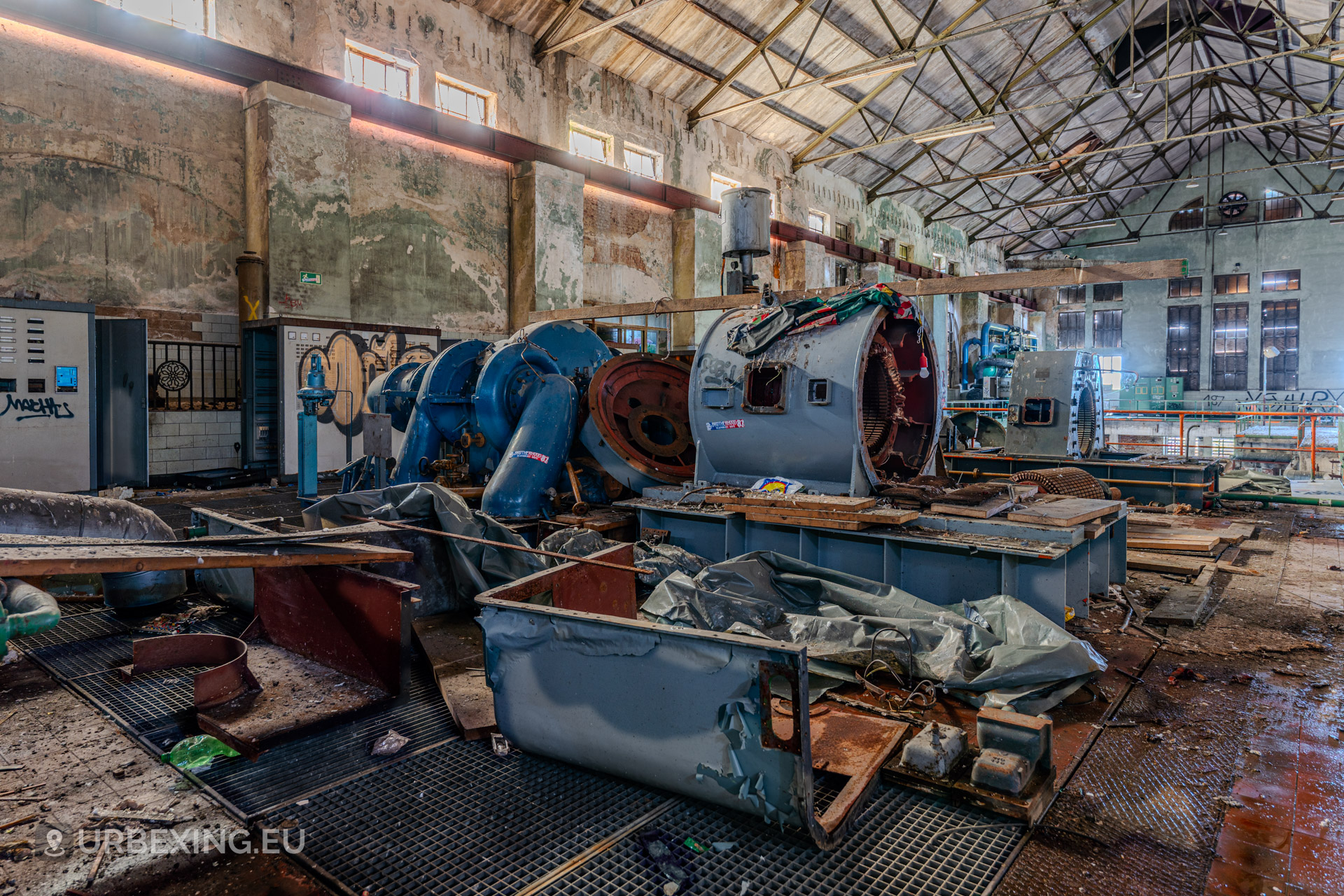
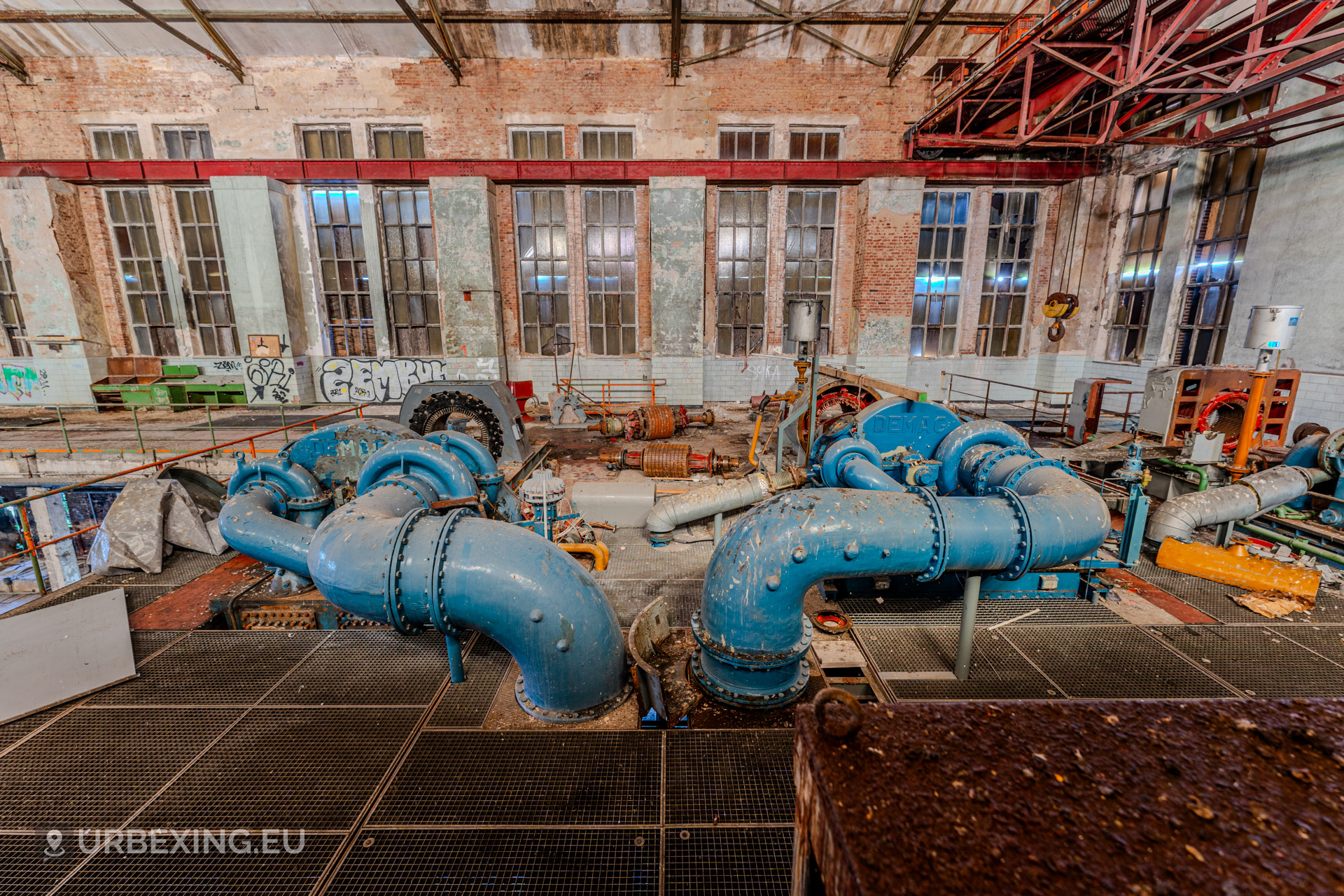
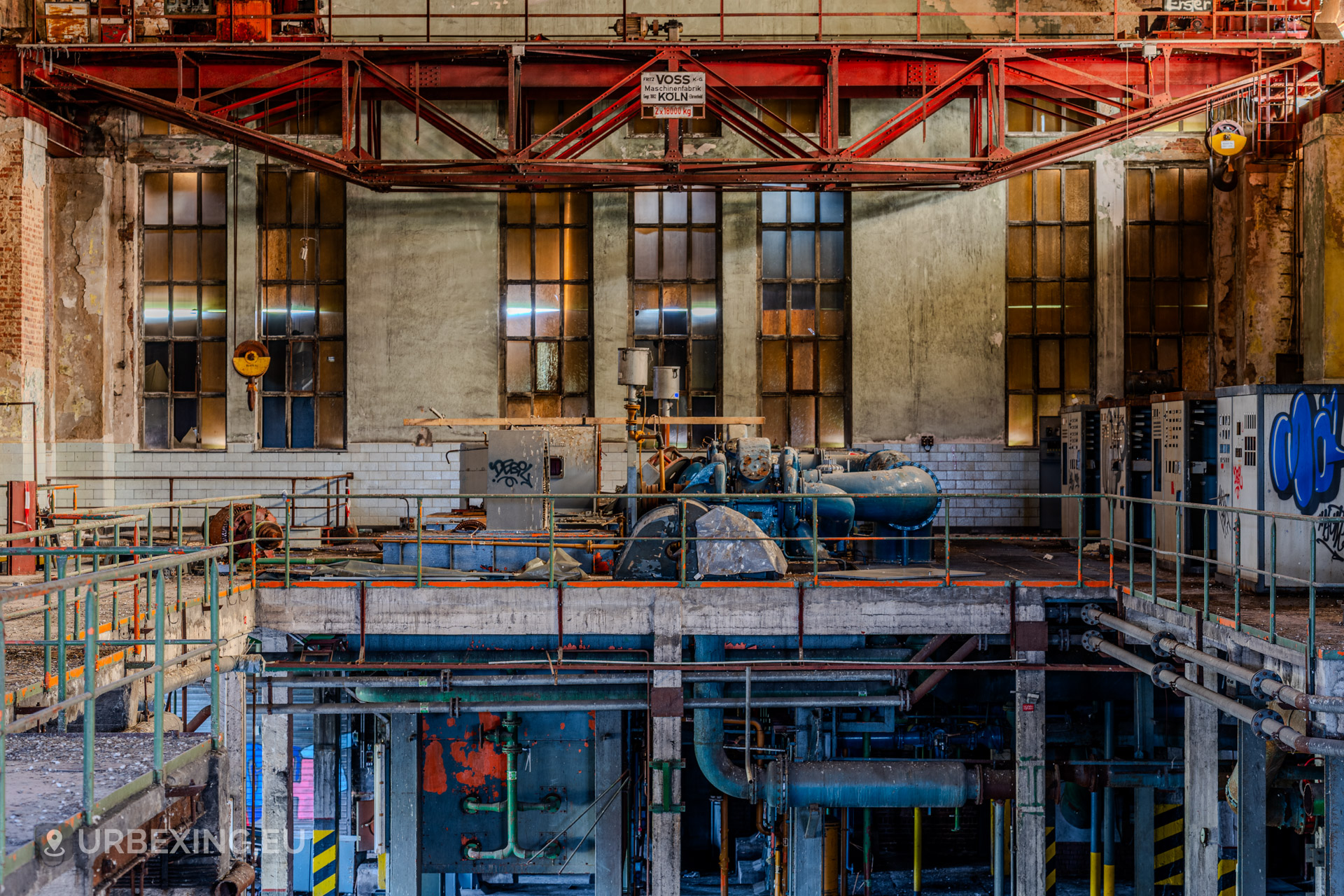
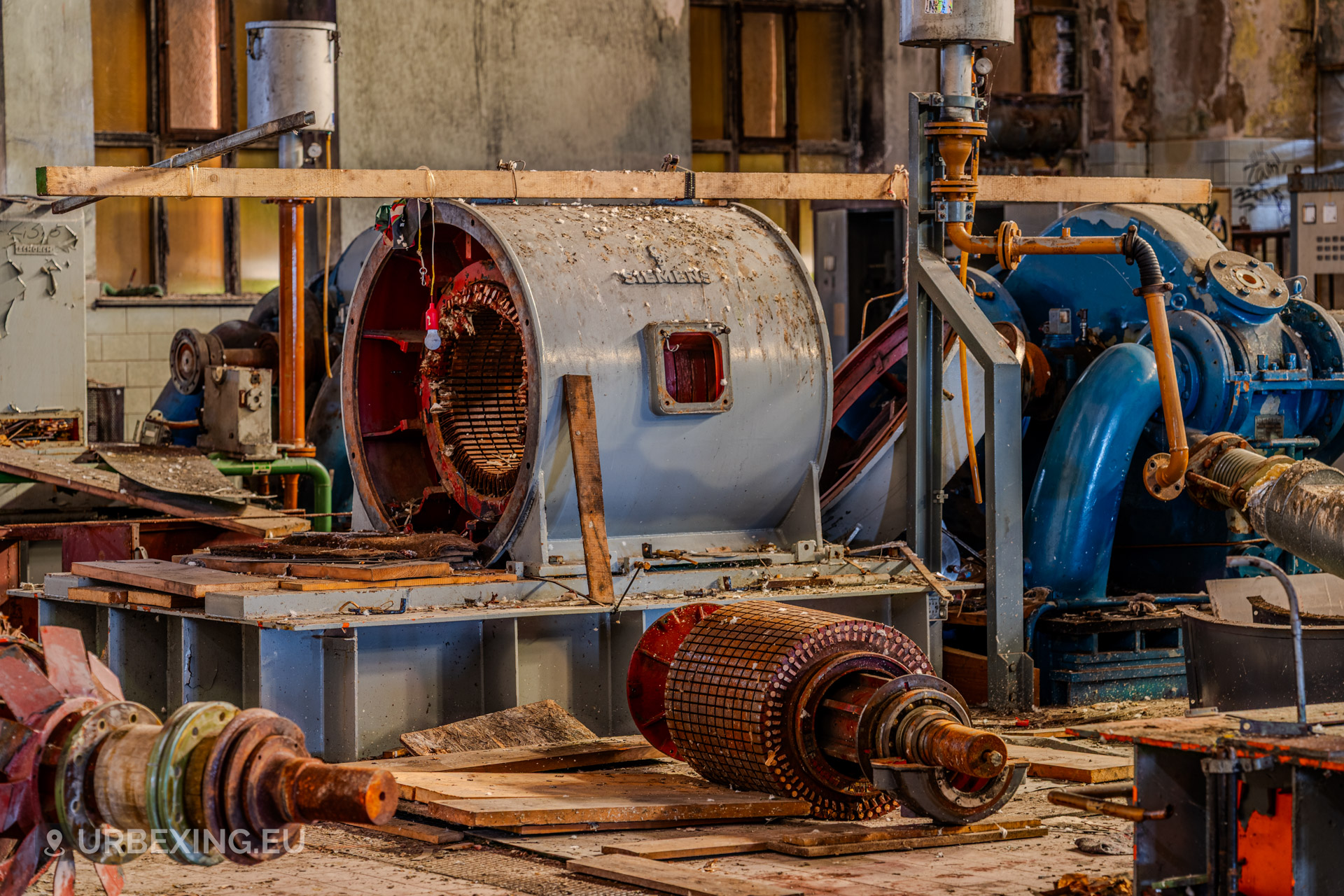
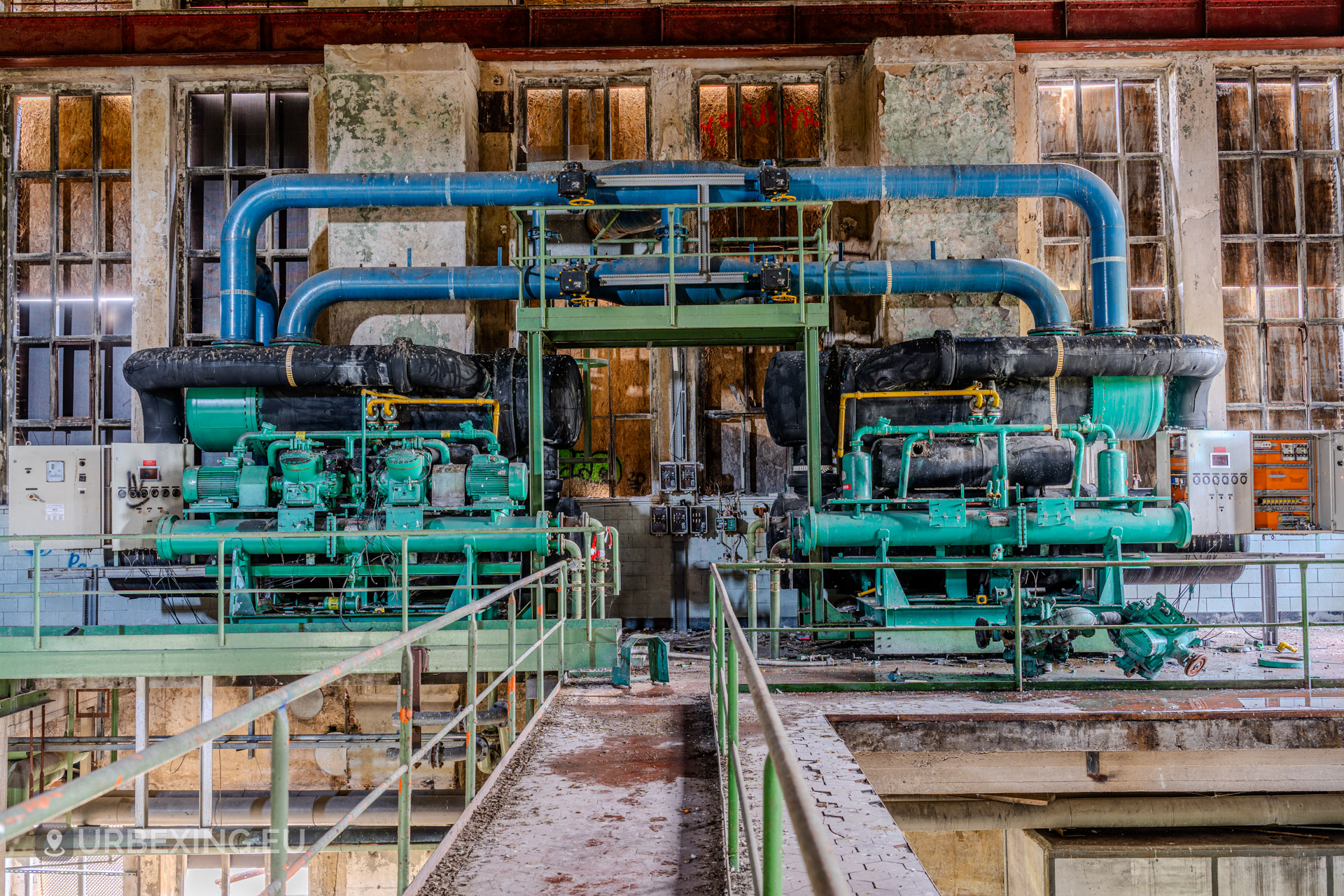
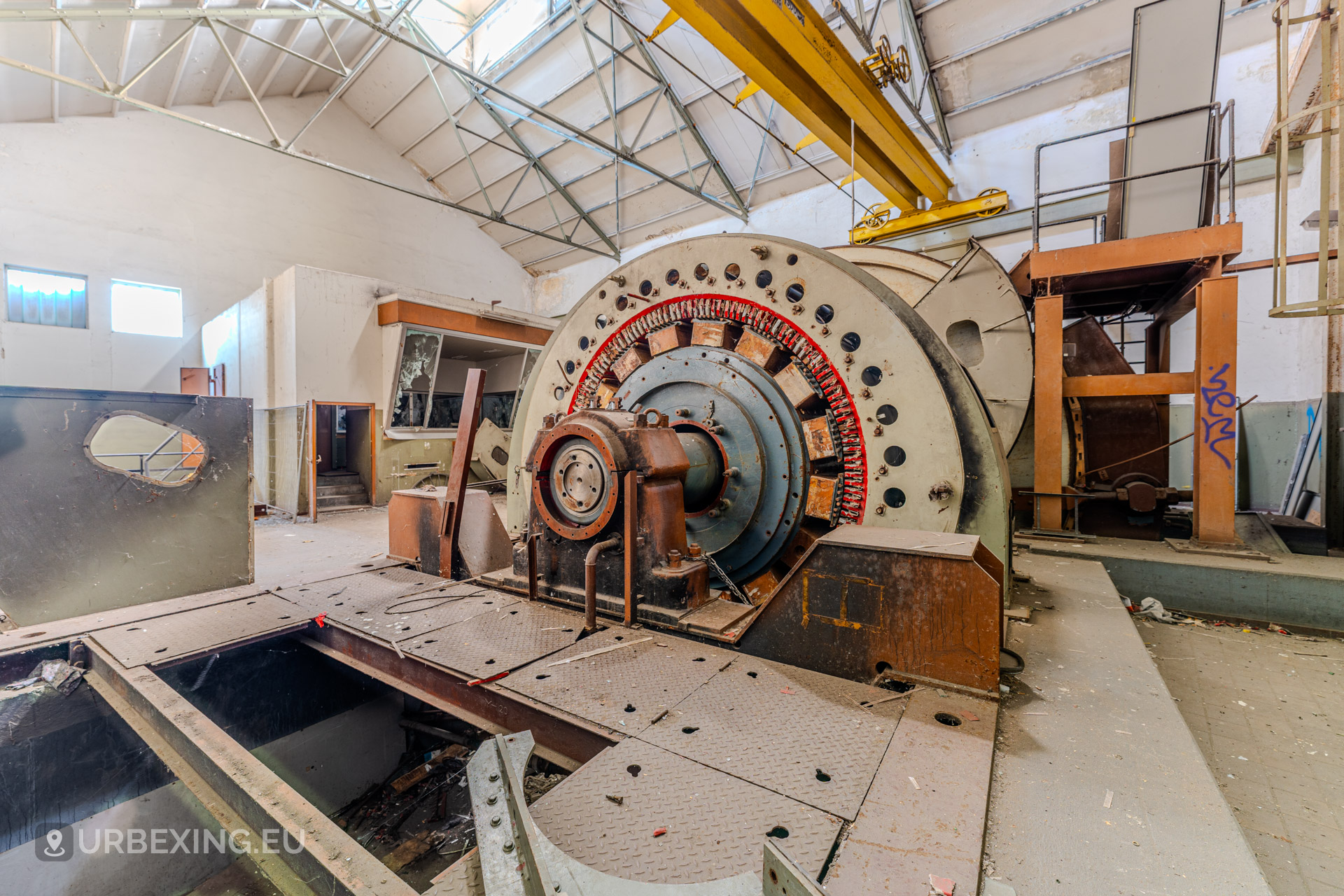
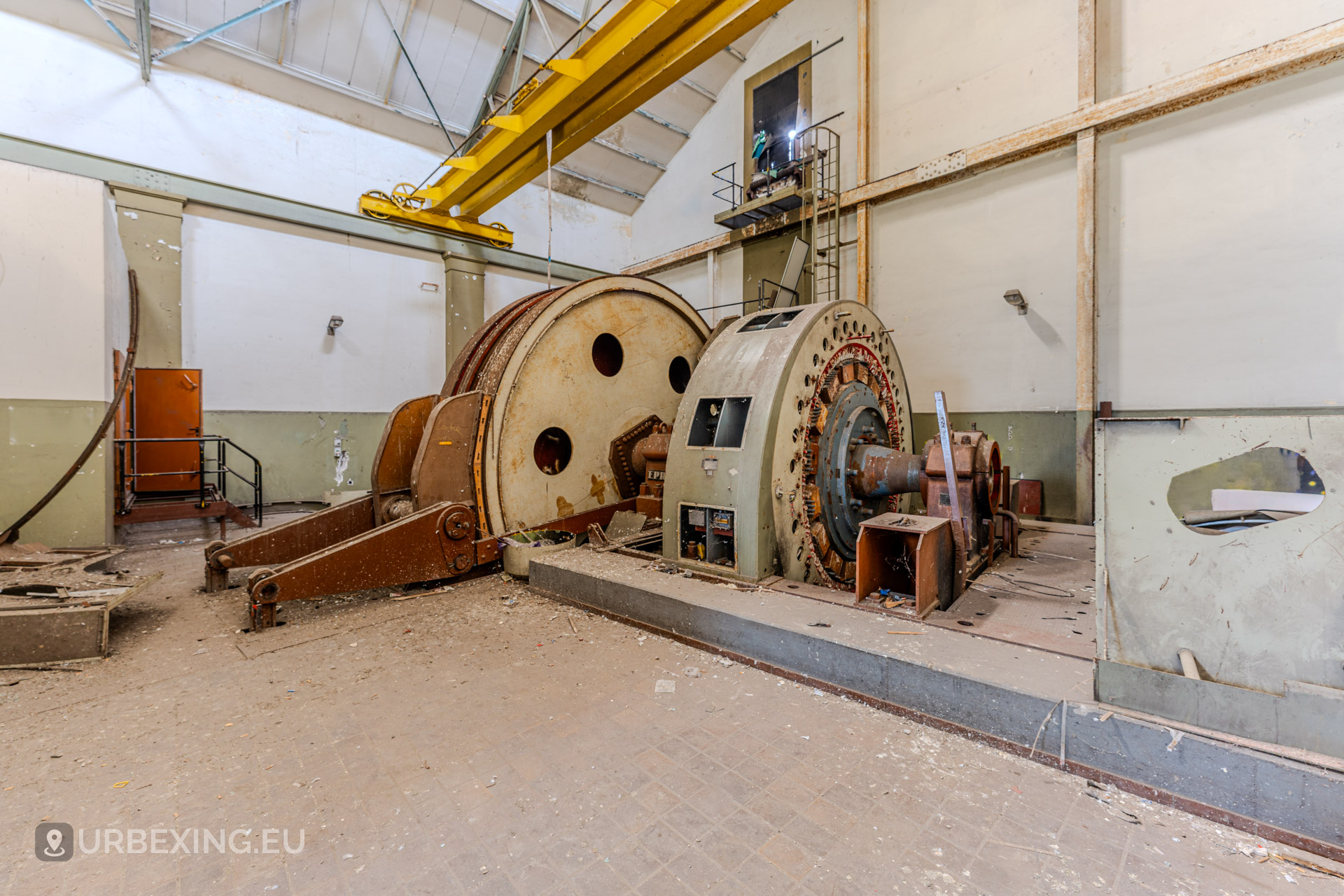
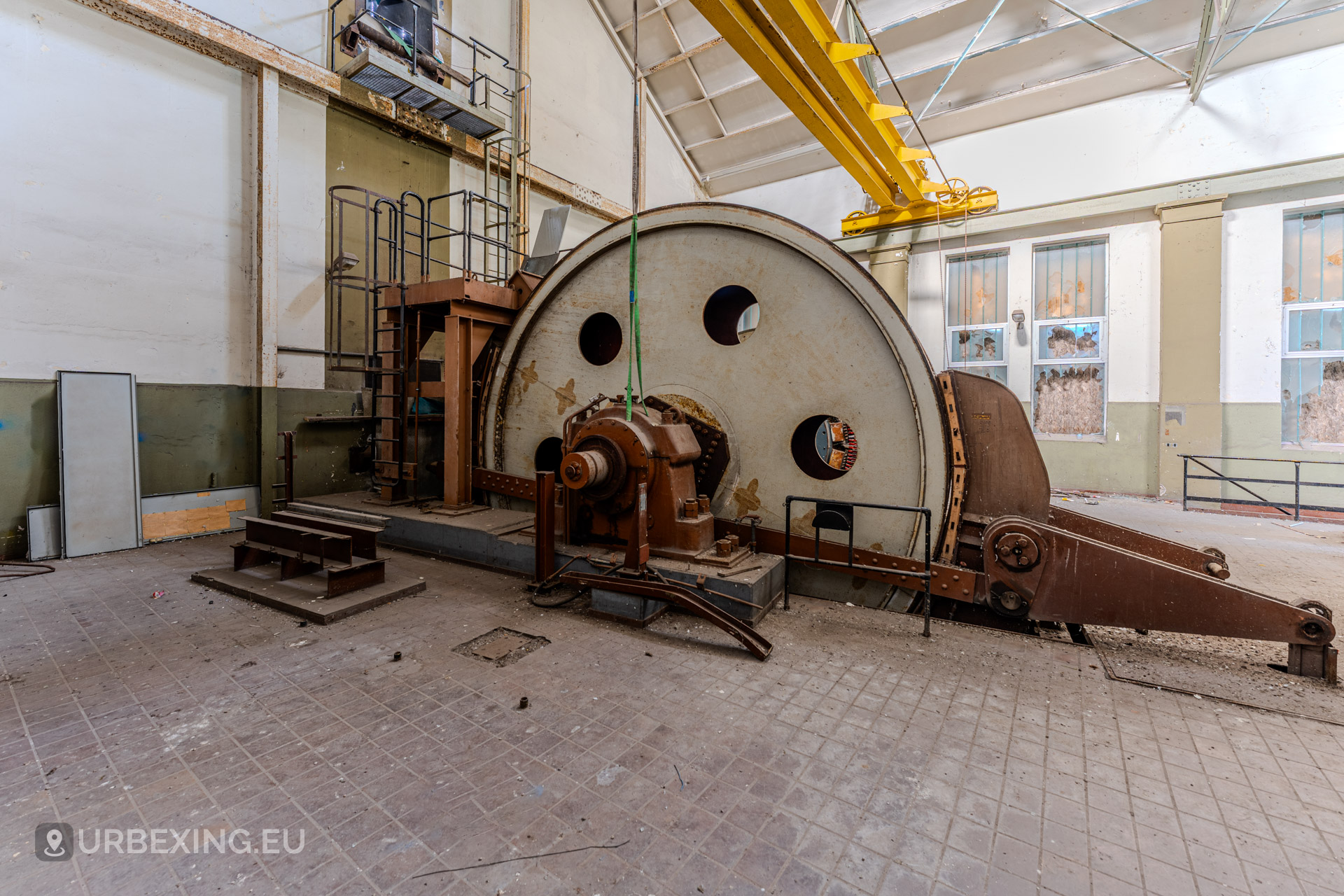
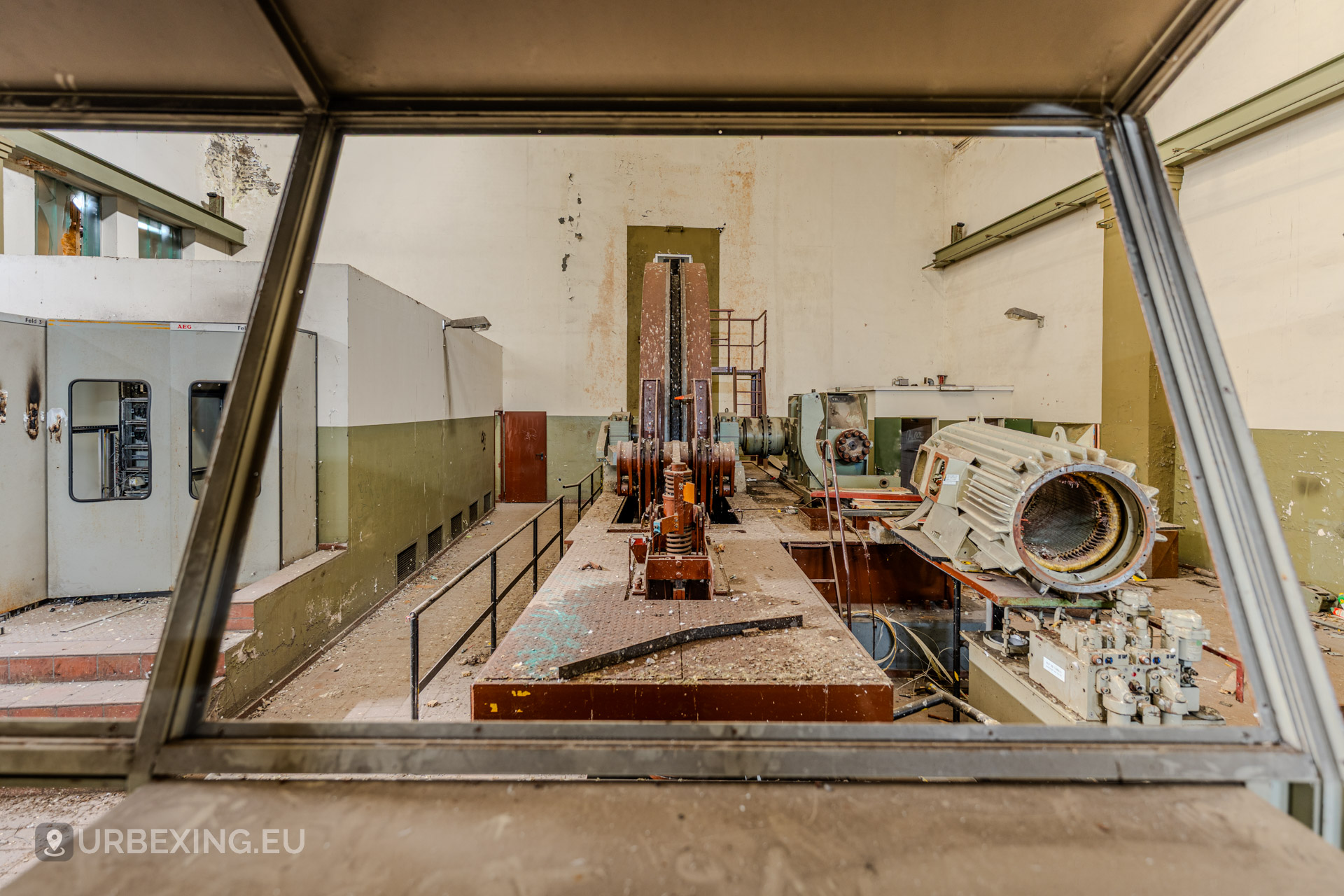
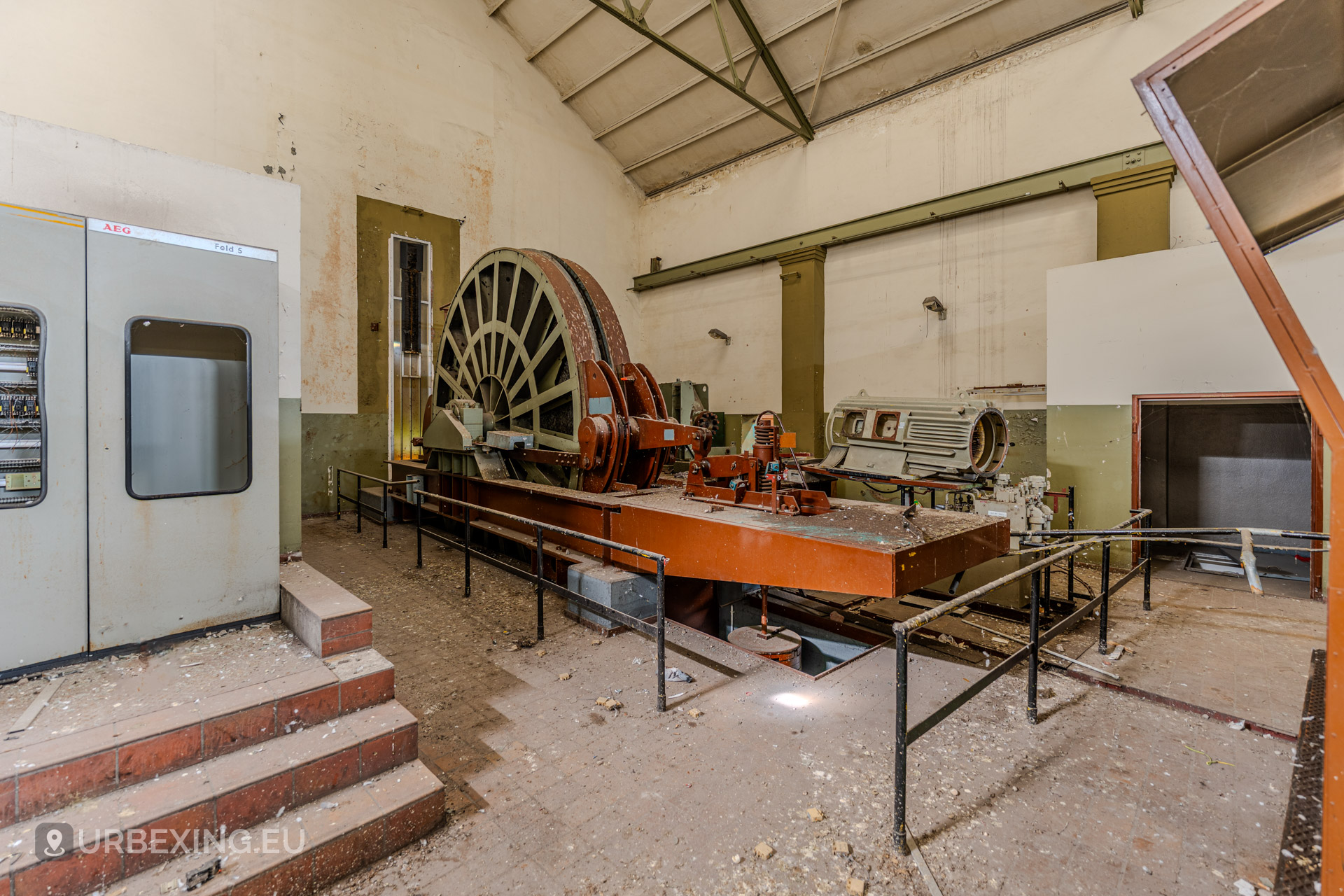
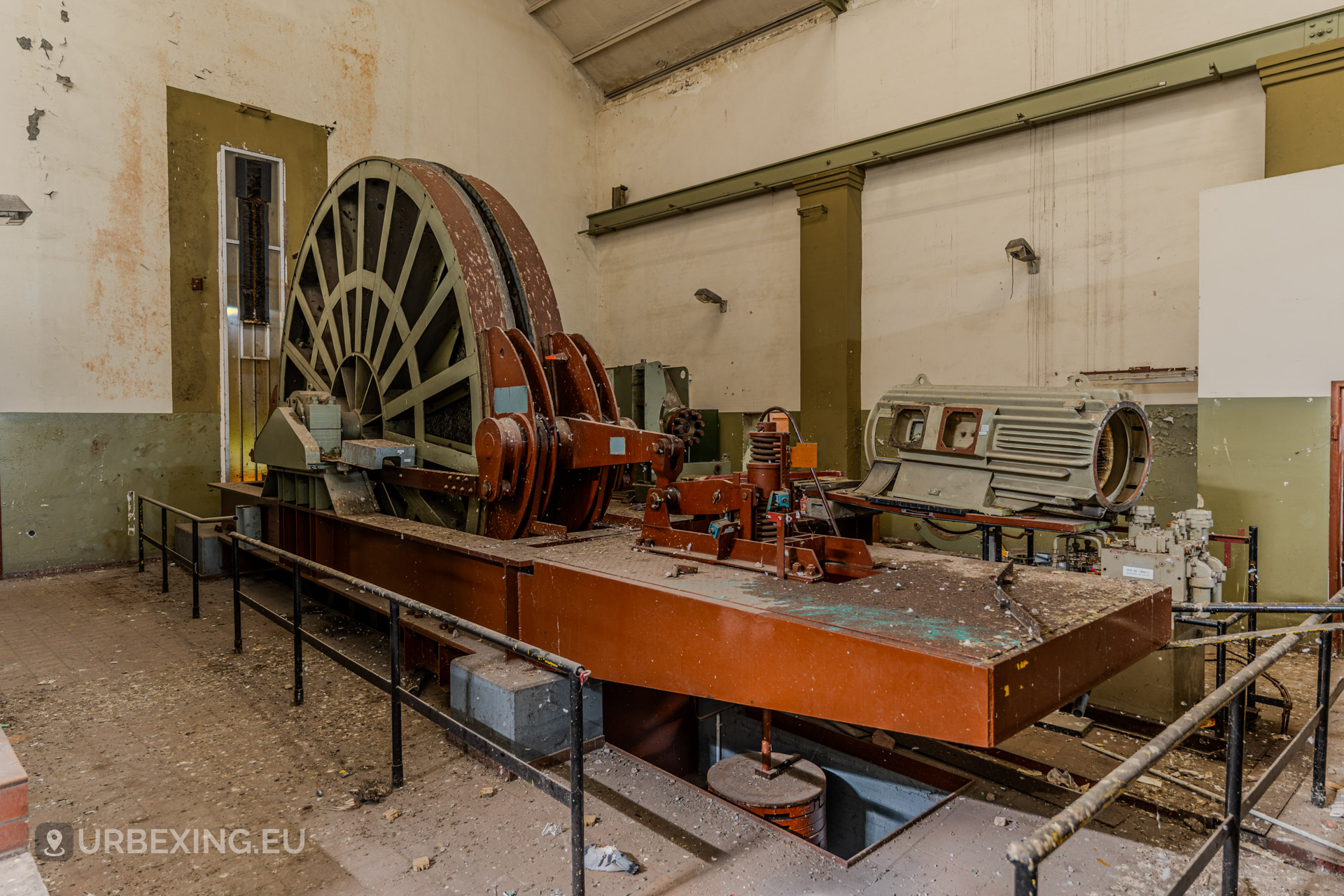
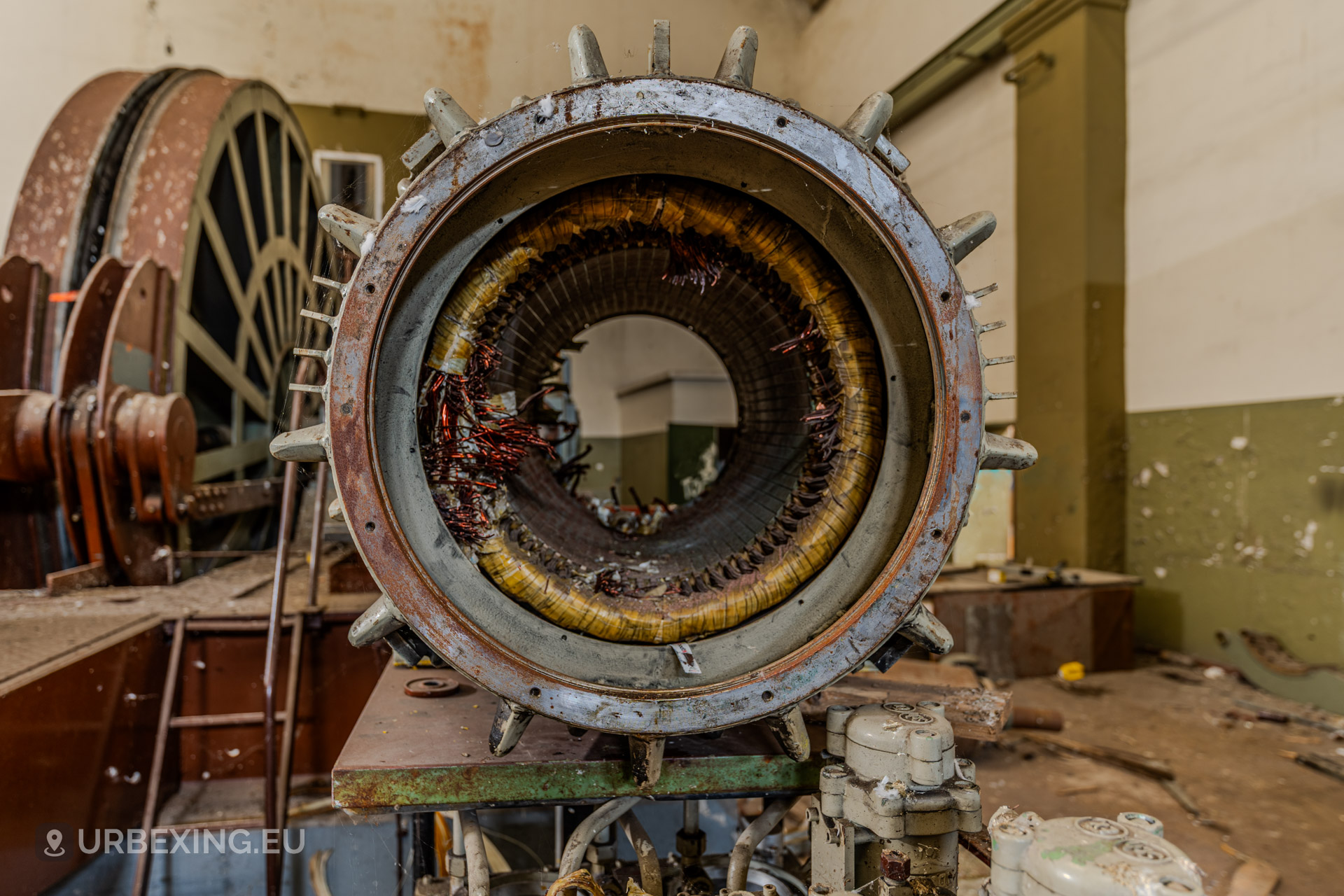
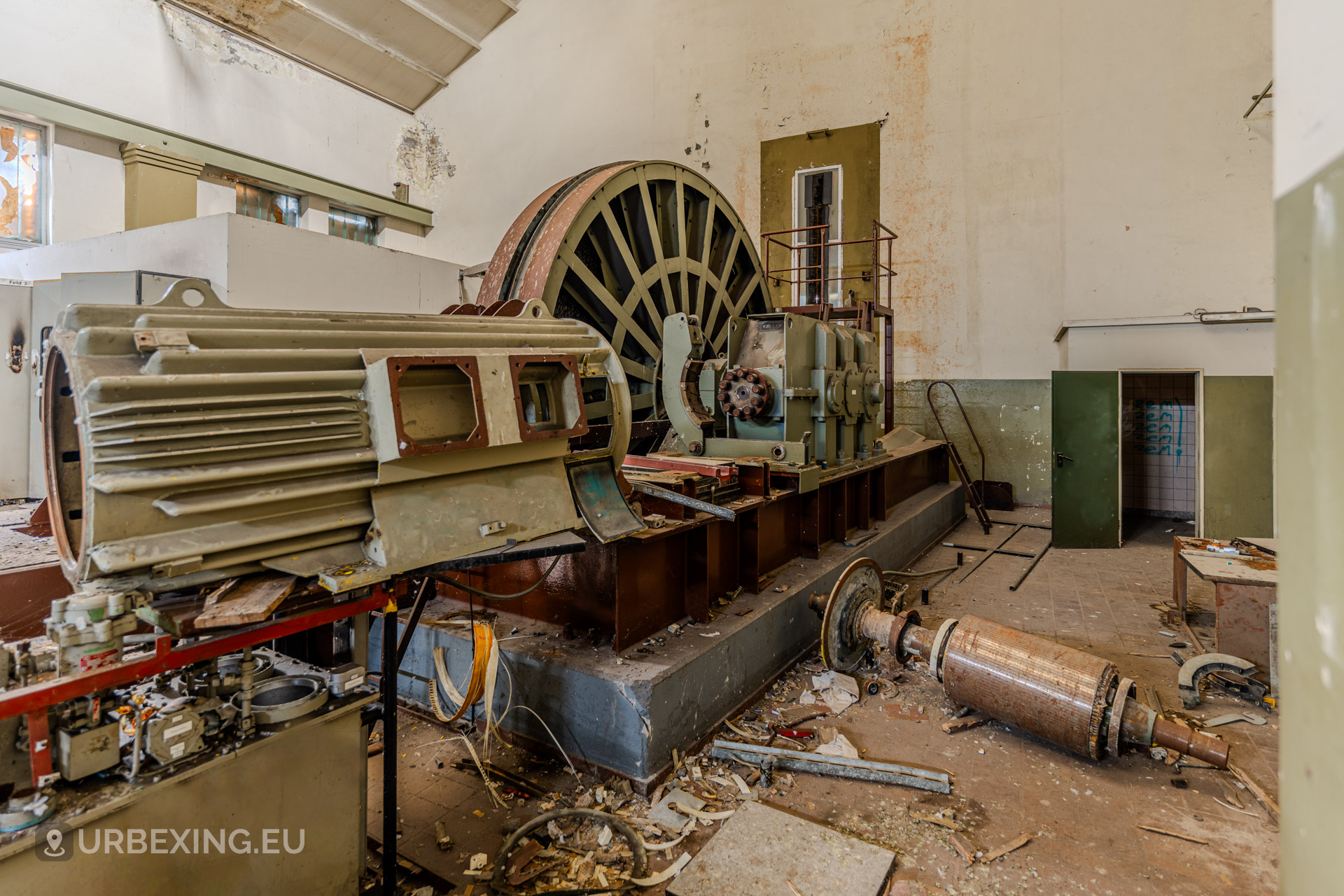
Instead of finding industrial rooms preserved by decades of abandonment, we discovered a site that had been completely trashed. Graffiti covered many of the walls, windows had been broken, and rubbish was scattered throughout the buildings. Anything that could be damaged appeared to have become a target.
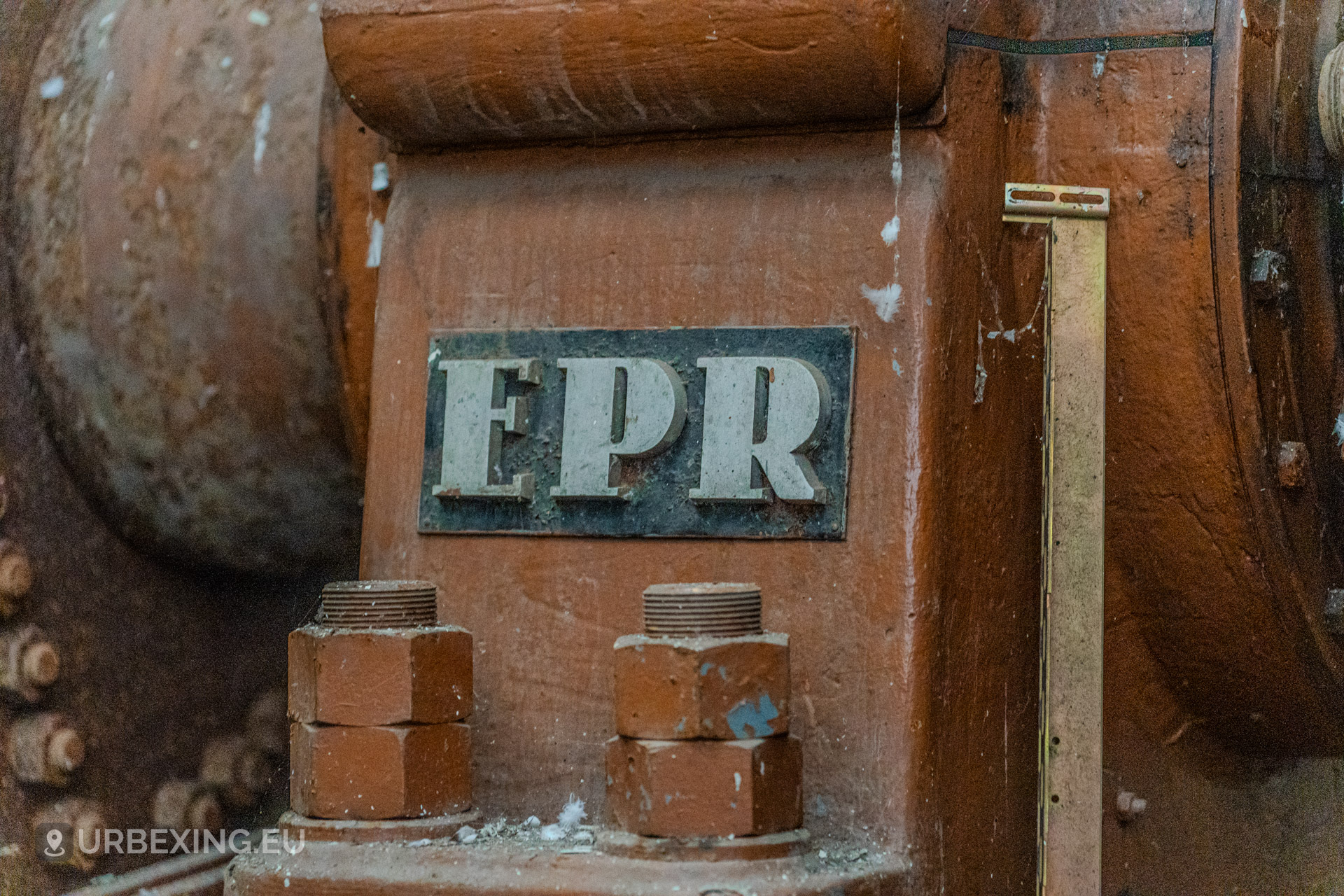
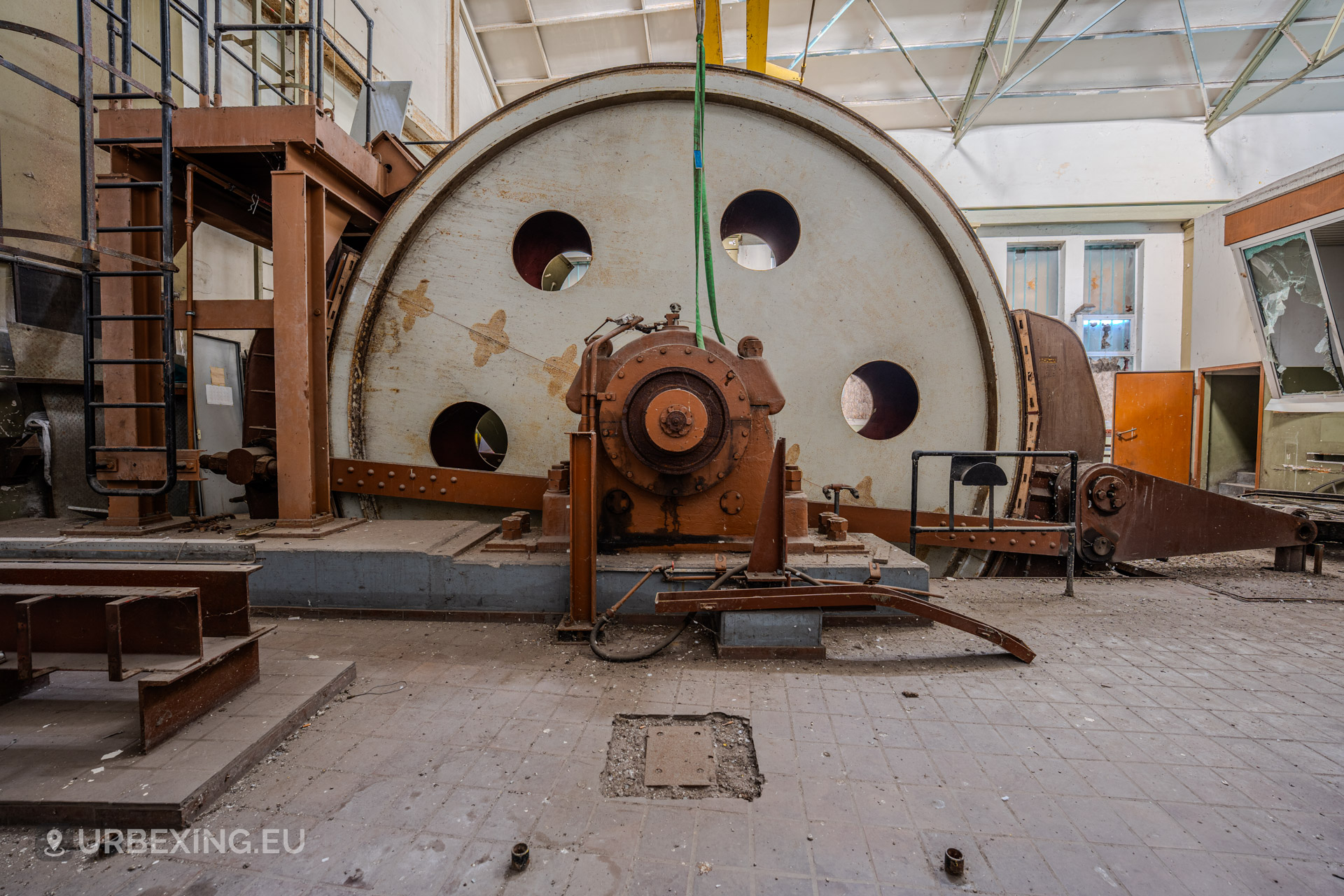
There were still traces of the mine’s past to be found. Heavy architecture, old industrial details and the scale of the remaining buildings offered small glimpses of Niederberg’s former importance. However, each interesting detail seemed to be surrounded by another layer of damage.
A Sad Sight to See
Decay is part of what makes abandoned places interesting. Rust, peeling paint and nature slowly reclaiming a building can add character while telling the story of passing time. Deliberate destruction is something entirely different.
Bergwerk Niederberg Schacht 1 and 2 could have been an impressive industrial time capsule. Instead, our visit felt like documenting what remains after years of neglect and vandalism. Seeing such an important piece of local mining history in this condition was genuinely disappointing.
The headframes still dominate the site and preserve part of Niederberg’s identity from a distance. Inside, however, very little of the atmosphere that once made the complex special has survived.
Bergwerk Niederberg remains historically significant, but our exploration was ultimately a sad reminder of how quickly an abandoned industrial monument can lose its character when it is not properly protected.